

Back pain can ruin your day faster than a dead phone battery. One minute you’re fine, and the next, you’re struggling to sit, stand, or even tie your shoes. If you’ve been searching for the best yoga poses for back pain relief, you’re definitely not alone.
According to the World Health Organization, lower back pain affects millions of people worldwide and remains one of the leading causes of disability. Thankfully, gentle yoga can help reduce stiffness, improve flexibility, and strengthen the muscles that support your spine.
In my experience writing about fitness and wellness topics, yoga is one of the few natural remedies that consistently helps people feel better without expensive equipment or complicated routines. I’ve personally used a few of these stretches after long hours at my desk, and honestly, some of them work surprisingly fast.
Quick Summary: Key Takeaways
- Yoga can reduce mild to moderate back pain by improving mobility and posture.
- Gentle poses like Child’s Pose, Cat-Cow, and Downward Dog are beginner-friendly and effective.
- Consistency matters more than intensity. Even 10–15 minutes daily can help.
Why Yoga Helps Relieve Back Pain
Yoga combines stretching, controlled breathing, and muscle strengthening. As a result, it targets several common causes of back discomfort at the same time.
Improves Flexibility
Tight muscles around your hips, hamstrings, and spine often contribute to back pain. Yoga helps loosen those areas gradually.
Strengthens Core Muscles
A weak core puts extra pressure on your lower back. Certain yoga poses strengthen your abdominal and back muscles, giving your spine better support.
Encourages Better Posture
Poor posture is a silent troublemaker. Slouching while using phones or laptops creates strain on the neck and lower back. Yoga increases body awareness, which naturally improves posture over time.
Reduces Stress and Tension
Stress tightens muscles. Ever noticed your shoulders creeping toward your ears during a stressful day? Yoga encourages relaxation and deep breathing, which helps release tension.
According to research published by the National Center for Complementary and Integrative Health, yoga may help improve both pain levels and function in people with chronic lower back pain.
Best Yoga Poses for Back Pain Relief
Here are the most effective yoga poses you can safely practice at home.
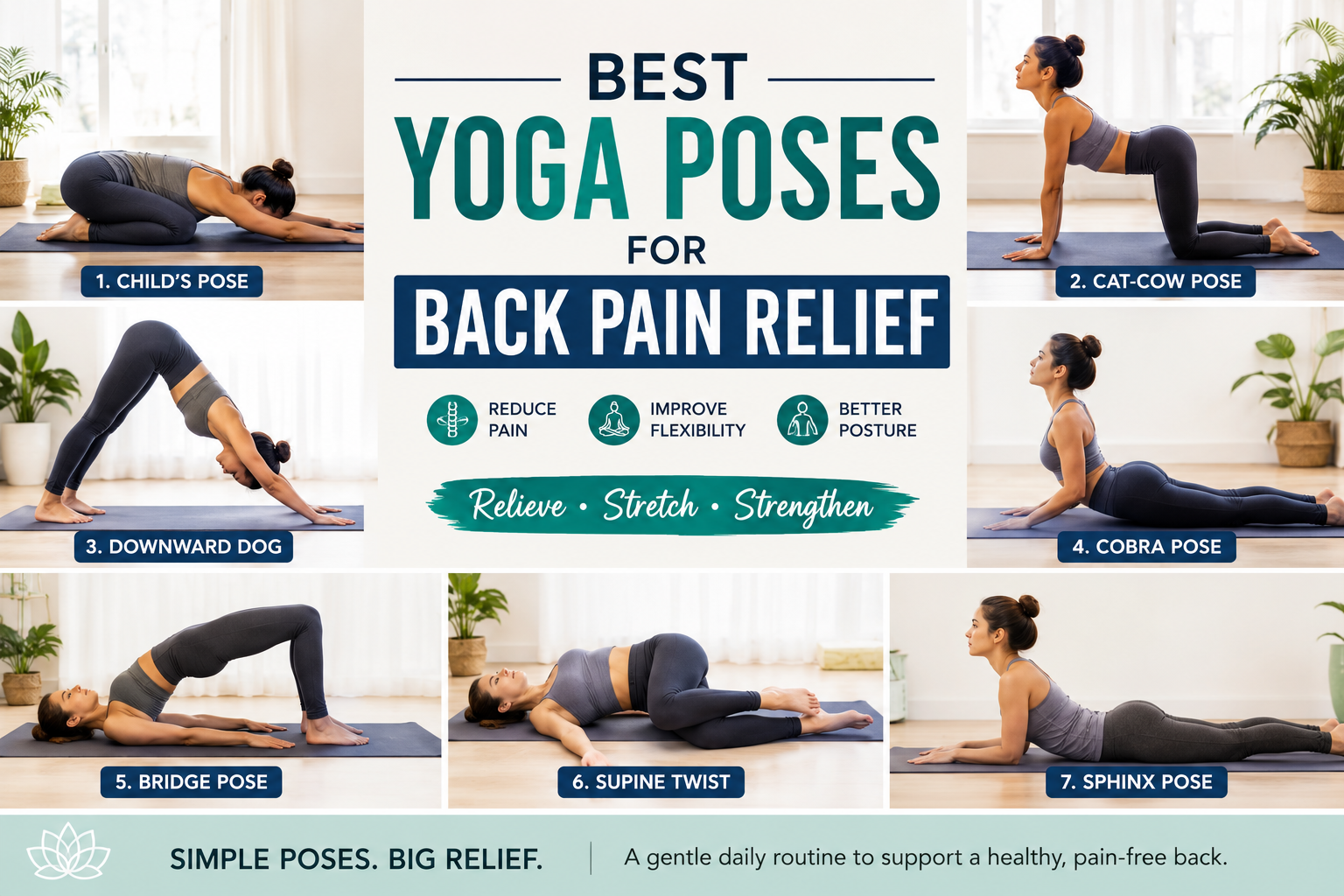
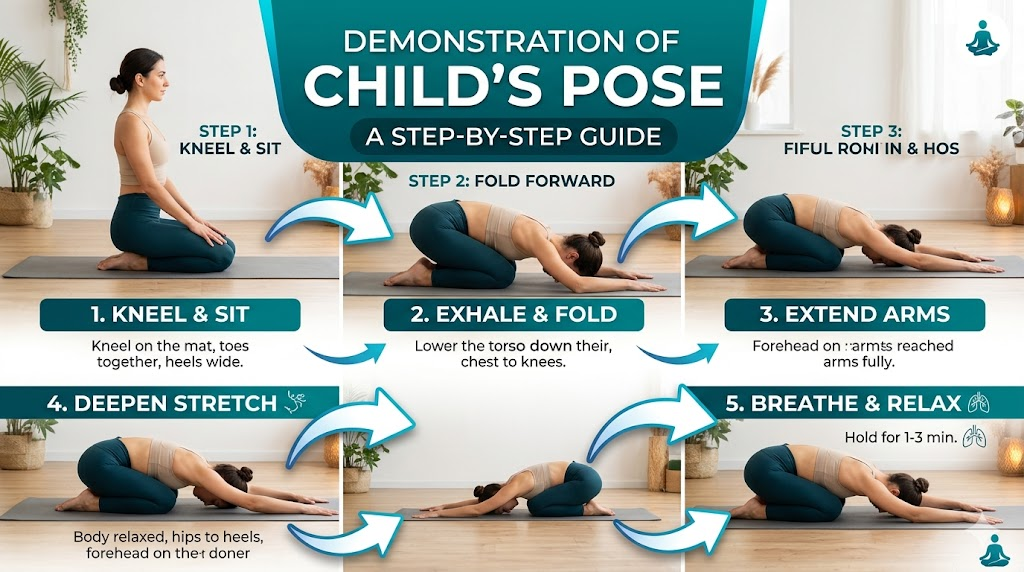
1. Child’s Pose (Balasana)
Child’s Pose is one of the gentlest stretches for the spine. It relaxes the lower back while calming the nervous system.
How to Do It
- Kneel on the floor or yoga mat.
- Sit back on your heels.
- Stretch your arms forward.
- Lower your chest toward the floor.
- Hold for 30–60 seconds while breathing slowly.
Why It Helps
This pose lengthens the spine and reduces tension in the lower back muscles.
Beginner Tip
Place a pillow under your chest if you feel tight or uncomfortable.
2. Cat-Cow Pose
If your back feels stiff in the morning, Cat-Cow can feel like oiling a rusty hinge. It gently mobilizes the spine and improves flexibility.
How to Do It
- Start on your hands and knees.
- Inhale while arching your back and lifting your head (Cow Pose).
- Exhale while rounding your spine and tucking your chin (Cat Pose).
- Repeat slowly for 1–2 minutes.
Benefits
- Improves spinal mobility
- Reduces stiffness
- Encourages healthy posture
Honestly, this is my go-to stretch after long writing sessions. It takes less than two minutes and makes a noticeable difference.
3. Downward-Facing Dog
This classic yoga pose stretches the hamstrings, spine, and shoulders all at once.
How to Practice
- Begin on all fours.
- Lift your hips toward the ceiling.
- Straighten your legs as much as comfortable.
- Press your hands firmly into the mat.
- Hold for 20–30 seconds.
Why It Works
Tight hamstrings often pull on the pelvis and increase back strain. Downward Dog helps release that tension.
Important Note
Keep your knees slightly bent if your hamstrings feel tight. You don’t need perfectly straight legs.

4. Cobra Pose (Bhujangasana)
Cobra Pose gently strengthens the spine and opens the chest.
Steps
- Lie face down.
- Place your hands under your shoulders.
- Slowly lift your chest while keeping your hips on the floor.
- Hold for 15–20 seconds.
Benefits for Back Pain
- Strengthens lower back muscles
- Improves spinal flexibility
- Helps counter poor sitting posture
However, avoid pushing too high if you feel pinching pain.
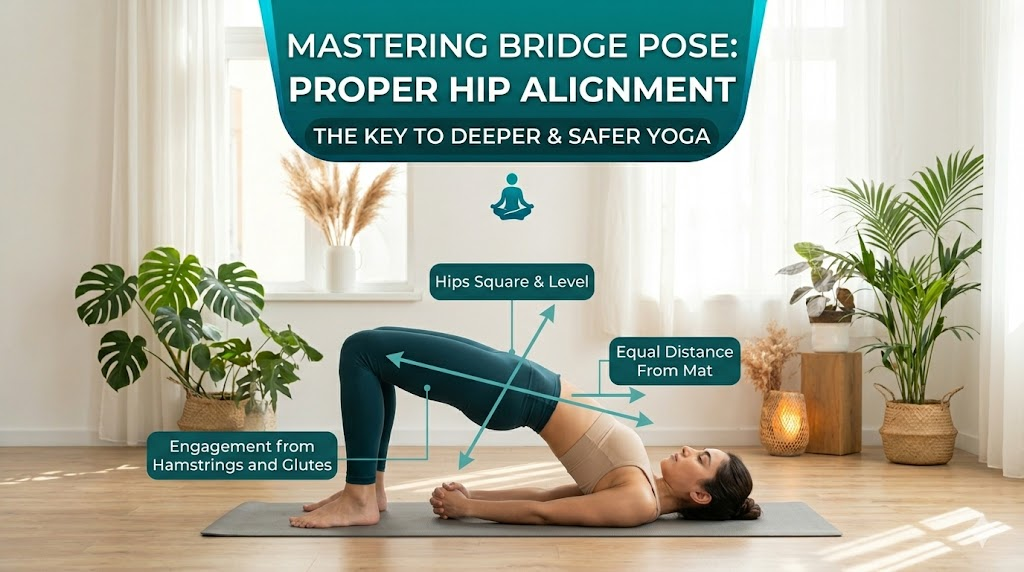
5. Bridge Pose
Bridge Pose strengthens the glutes, lower back, and core muscles.
How to Perform
- Lie on your back with knees bent.
- Keep feet hip-width apart.
- Lift your hips slowly.
- Hold for 20–30 seconds.
Why It’s Effective
Weak glutes can increase pressure on the lower back. Bridge Pose helps activate those muscles.
Common Mistake
Avoid over-arching your back. Lift only as high as comfortable.
6. Supine Spinal Twist
Sometimes your back just needs a gentle release. This twist helps relieve tightness after a long day.
Instructions
- Lie flat on your back.
- Bring one knee across your body.
- Extend your opposite arm outward.
- Hold for 30 seconds on each side.
Benefits
- Relaxes spinal muscles
- Improves mobility
- Reduces tension in the lower back
This pose feels especially good after travel or sitting too long.
7. Sphinx Pose
Sphinx Pose is a milder version of Cobra Pose and works well for beginners.
Steps
- Lie on your stomach.
- Place elbows under shoulders.
- Lift your chest gently.
- Keep shoulders relaxed.
Why Beginners Love It
Unlike deeper backbends, Sphinx Pose puts less pressure on the spine while still improving flexibility.
Tips for Practicing Yoga Safely With Back Pain
Yoga helps, but technique matters. Doing too much too soon can make pain worse.
Listen to Your Body
A gentle stretch is fine. Sharp pain is not.
If a pose hurts, stop immediately and modify it.
Start Slowly
You don’t need an hour-long yoga class on day one. Even 10 minutes daily can help.
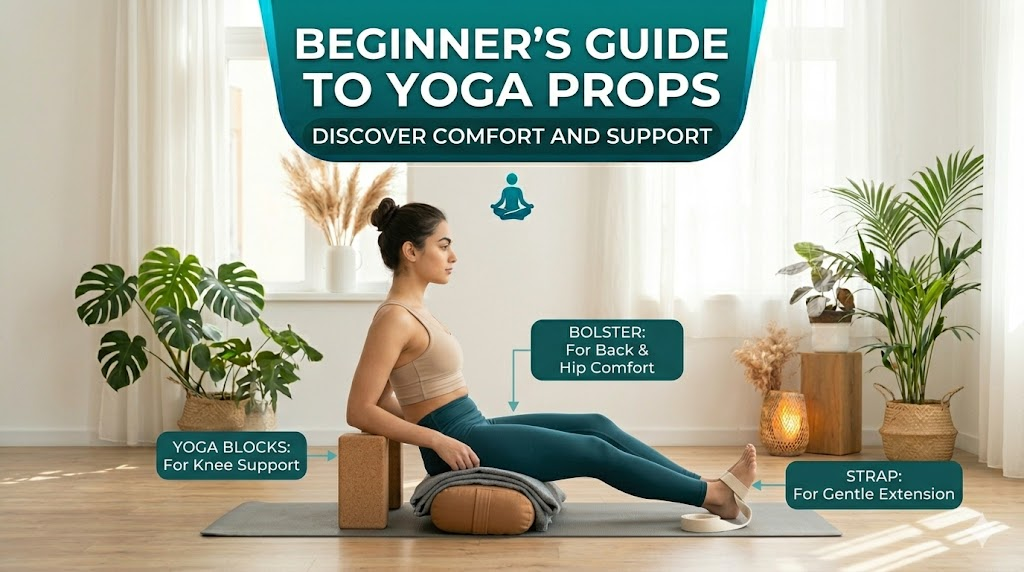
Use Props
Yoga blocks, pillows, and folded blankets make poses more comfortable and accessible.
Focus on Breathing
Deep breathing relaxes muscles and improves oxygen flow. Therefore, try not to rush through poses.
When Yoga May Not Be Enough
Yoga works well for mild to moderate discomfort. However, some types of back pain require medical attention.
See a healthcare professional if you experience:
- Numbness or tingling
- Severe pain after injury
- Loss of bladder control
- Pain lasting several weeks
- Weakness in the legs
According to experts at the Mayo Clinic, persistent or severe back pain should always be evaluated properly.
Yoga is helpful, but it’s not magic. A balanced approach that includes movement, good posture, sleep, and medical guidance usually works best.
Creating a Simple Daily Yoga Routine
You don’t need fancy equipment or a studio membership.
Here’s a beginner-friendly 15-minute routine:
- Child’s Pose – 1 minute
- Cat-Cow – 2 minutes
- Downward Dog – 30 seconds
- Cobra Pose – 30 seconds
- Bridge Pose – 1 minute
- Supine Twist – 1 minute each side
- Deep breathing – 2 minutes
Consistency beats perfection every time.
Common Mistakes to Avoid
Even gentle yoga can cause issues if done incorrectly.
Skipping Warm-Ups
Cold muscles tighten easily. Start slowly.
Holding Your Breath
Breathing helps muscles relax during stretches.
Comparing Yourself to Others
Yoga isn’t a competition. Social media yoga poses can be wildly unrealistic anyway. Some people fold like pretzels. Most of us don’t.
Ignoring Pain Signals
Stretching discomfort is normal. Sharp pain isn’t.
FAQ: Best Yoga Poses for Back Pain Relief
Which yoga pose is best for lower back pain?
Child’s Pose is often considered one of the best yoga poses for lower back pain because it gently stretches the spine and relaxes tight muscles.
Can yoga permanently cure back pain?
Yoga may reduce and manage back pain, especially when poor posture or muscle tightness causes it. However, serious conditions may need medical treatment.
How often should I do yoga for back pain relief?
Most people benefit from practicing yoga 3–5 times weekly. Even short daily sessions can improve flexibility and reduce stiffness.
Is yoga safe for beginners with back pain?
Yes, gentle beginner poses are usually safe. However, it’s smart to consult a healthcare provider if you have chronic or severe pain.
What should I avoid during yoga with back pain?
Avoid deep twists, forceful stretches, and any pose that causes sharp pain or discomfort.
Final Thoughts on the Best Yoga Poses for Back Pain Relief
Finding the best yoga poses for back pain relief doesn’t have to feel overwhelming. Start with gentle movements, stay consistent, and pay attention to how your body responds.
In my view, yoga works best when you treat it as daily maintenance rather than a quick fix. A few minutes every day can gradually improve flexibility, posture, and muscle strength. Small habits really do add up.
If you’ve tried any of these yoga poses, share your experience in the comments. Also, feel free to bookmark this guide or share it with someone whose back probably complains louder than they do.
Your spine will thank you later.
DO FOLLOW