

Have you ever hit that 3:00 PM slump and reached straight for a third cup of coffee, only to feel even more drained an hour later? Honestly, I used to do this every single day until I realized my body wasn’t begging for caffeine; it was desperately crying out for water.This hydration tips daily water intake guide will help you understand how much water you really need and how to build healthy hydration habits that actually stick.
Staying properly hydrated is one of the simplest yet most transformative things you can do for your health. In this comprehensive hydration tips daily water intake guide, we will break down exactly how much water you need, why it matters, and practical ways to make drinking water a effortless habit.This hydration tips daily water intake guide is designed to help beginners create healthier hydration habits without feeling overwhelmed.
📌 Key Takeaways
- No Fixed Rules: The classic “8 glasses a day” rule is a myth; your actual water needs depend on your weight, activity level, and climate.
- Listen to Your Body: Dark urine and dry lips are early warning signs that you are already mildly dehydrated.
- Small Changes Win: Eating water-rich foods and using simple tracking habits can drastically improve your daily fluid intake without feeling like a chore.
Hydration Tips Daily Water Intake Guide for Busy People
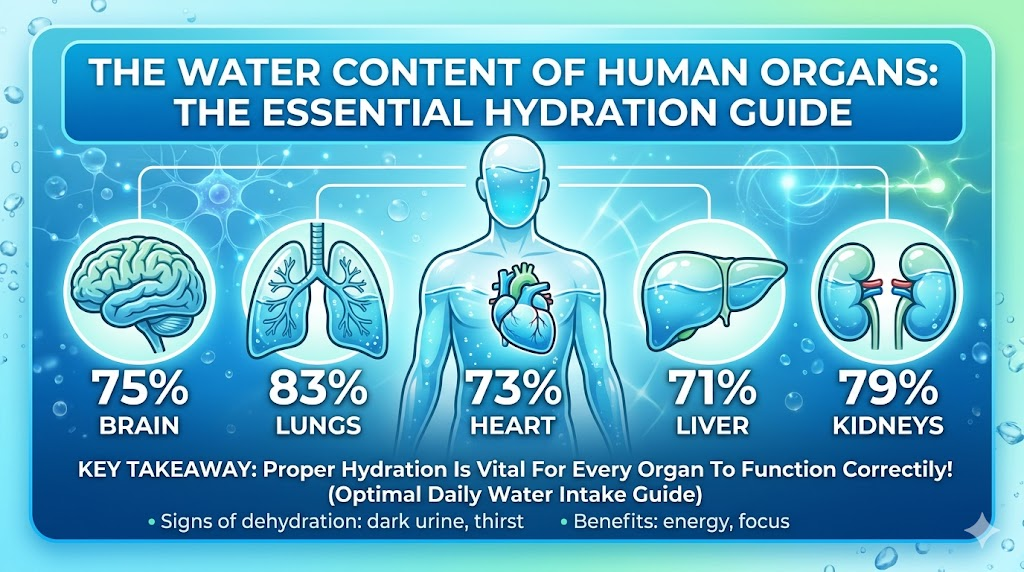
Following a proper hydration tips daily water intake guide can improve your energy, digestion, concentration, and even skin health over time. Our bodies are made of roughly 60% water, meaning almost every single cellular process relies on fluid to function smoothly. When you neglect your fluid intake, your body has to work twice as hard to perform basic tasks.
In my experience writing about wellness, people frequently underestimate how much hydration impacts their mental clarity. Even mild dehydration—losing just 1% to 2% of your body’s water content—can impair brain function, cause headaches, and sour your mood.
Furthermore, a study published by the National Institutes of Health (NIH) found that optimal hydration can actually slow down the aging process and prevent or delay chronic conditions. Therefore, keeping a water bottle nearby isn’t just about quenching your thirst; it is a long-term investment in your longevity.One reason this hydration tips daily water intake guide works well is because it focuses on simple daily habits instead of unrealistic health trends.
Decoding the Daily Water Intake Guide: How Much Do You Need?
We have all heard the standard advice to drink eight 8-ounce glasses of water per day. While this is an easy rule to remember, it is not scientifically accurate for everyone.
According to the National Academies of Sciences, Engineering, and Medicine, an adequate daily fluid intake is about 15.5 cups (3.7 liters) for men and about 11.5 cups (2.7 liters) for women. However, these numbers include fluids from all beverages and food.
To make it simple, you can use a basic mathematical formula based on your body weight.
The Baseline Hydration Formula
To find your personal baseline, take your body weight in pounds and divide it by two. That number is the approximate amount of ounces of water you should drink daily. For example, if you weigh 160 pounds, your baseline target should be roughly 80 ounces of water per day.
Factors That Change Your Water Needs
- Activity Level: If you exercise heavily, you must add 12 to 20 ounces for every 30 minutes of sweat-inducing movement.
- Climate and Weather: Hot or humid environments increase sweat production, requiring higher fluid replacement.
- Overall Health: Pregnancy, breastfeeding, or recovering from an illness like a fever will naturally bump up your hydration needs.
Sneaky Signs You Are Dehydrated
Most people assume that feeling thirsty is the first indicator of dehydration. However, thirst is actually a late sign. By the time your brain signals thirst, your body is already running low on necessary fluids.
Check Your Urine Color
The easiest and most reliable way to monitor your hydration status is to look before you flush.
- Clear to pale yellow: You are perfectly hydrated. Keep up the good work!
- Bright, neon yellow: Often caused by B-vitamins, but generally means you are doing okay.
- Dark yellow to amber: You are mildly to moderately dehydrated. Grab a glass of water immediately.
Surprising Symptoms of Dehydration
Have you ever experienced sudden, intense cravings for sugar or processed carbs out of nowhere? In my view, this is one of the most overlooked signs of dehydration. When you are low on water, organs like the liver struggle to release glycogen, causing your brain to misinterpret the fluid shortage as a need for quick energy food.
Other subtle signs include persistent bad breath, muscle cramps, unexplained fatigue, and dry skin that lacks elasticity.
Actionable Hydration Tips Daily Water Intake Guide
Knowing you need to drink more water is one thing, but actually doing it consistently is another story. If you struggle to hit your daily goals, here are some practical, tried-and-tested strategies to build the habit naturally.
1. Upgrade Your Water Bottle
It sounds silly, but the right container makes a massive difference. I used to rely on random glasses of water at my desk, but I constantly forgot to refill them. Once I bought a insulated, 32-ounce stainless steel bottle with a straw, my intake skyrocketed. Invest in a reusable bottle that you actually enjoy carrying around with you everywhere.
2. Flavor Your Water Naturally
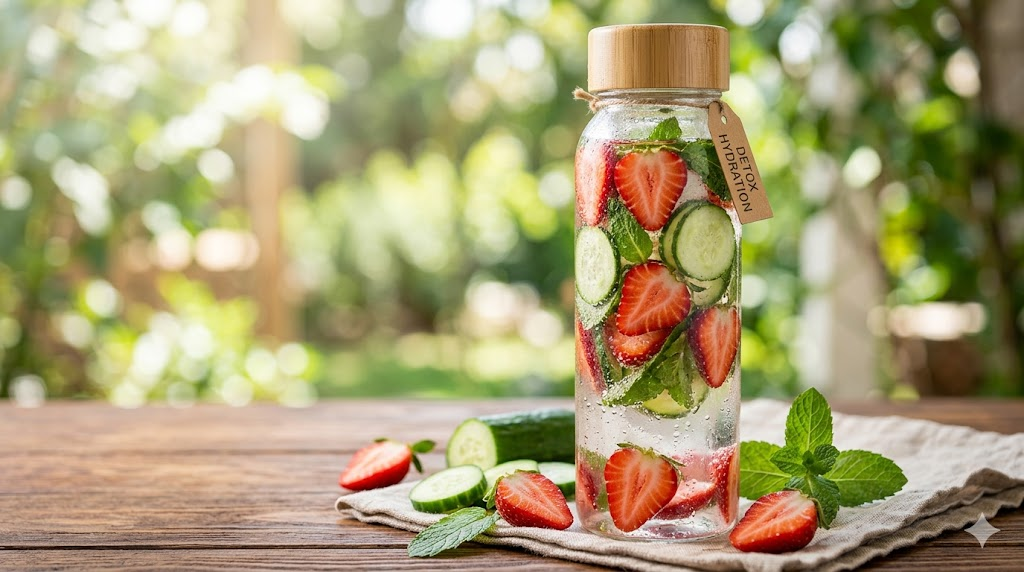
If you find the taste of plain water incredibly boring, you do not have to suffer through it. Try infusing your water pitcher with fresh fruits, herbs, and vegetables. Some of my favorite combinations include:
- Cucumber and fresh mint leaves
- Lemon, lime, and sliced ginger
- Strawberries and basil
3. Tie Hydration to Existing Habits
Habit stacking is an incredible psychological trick. Link drinking a glass of water to something you already do every single day without thinking. For instance, drink one full glass right after brushing your teeth in the morning, another while your coffee brews, and one right before you start your car to commute home.
Eating Your Water: Hydrating Foods to Include in Your Diet
Did you know that you don’t have to get all your fluids from a glass? Roughly 20% of our daily water intake actually comes from the foods we eat. Incorporating water-dense fruits and vegetables into your meals is an excellent way to supplement your hydration efforts naturally.
| Food Item | Water Content Percentage |
| Cucumber | 96% |
| Zucchini | 94% |
| Watermelon | 92% |
| Strawberries | 91% |
| Grapefruit | 88% |
Moreover, eating these whole foods provides your body with essential vitamins, minerals, and natural electrolytes. These nutrients help your cells absorb and utilize the water much more effectively than drinking distilled, plain water alone.
Common Hydration Myths Debunked
There is a lot of misinformation floating around the internet regarding how we should hydrate. Let’s set the record straight on a couple of the most common myths.
Myth 1: Coffee and Tea Don’t Count Toward Hydration
For years, experts claimed that caffeinated beverages cause dehydration because caffeine acts as a mild diuretic. However, modern research shows that the fluid contained in moderate amounts of coffee or tea completely offsets the diuretic effect. While you shouldn’t rely solely on espresso to hit your daily targets, your morning cup of joe absolutely counts toward your overall fluid goal.
Myth 2: You Can’t Drink Too Much Water
While rare, it is entirely possible to over-hydrate. This dangerous medical condition is called hyponatremia. It happens when you consume massive amounts of water in a very short period, diluting the sodium levels in your blood. To avoid this, focus on pacing your water intake steadily throughout the course of the day rather than chugging gallons at once.
Tracking Your Progress: Apps and Tech Tools
If you are a tech-driven person, you can leverage several modern tools to stay on top of your health goals. There are numerous free smartphone apps, such as Waterlogged or Plant Nanny, that turn tracking your water intake into a fun, gamified experience.
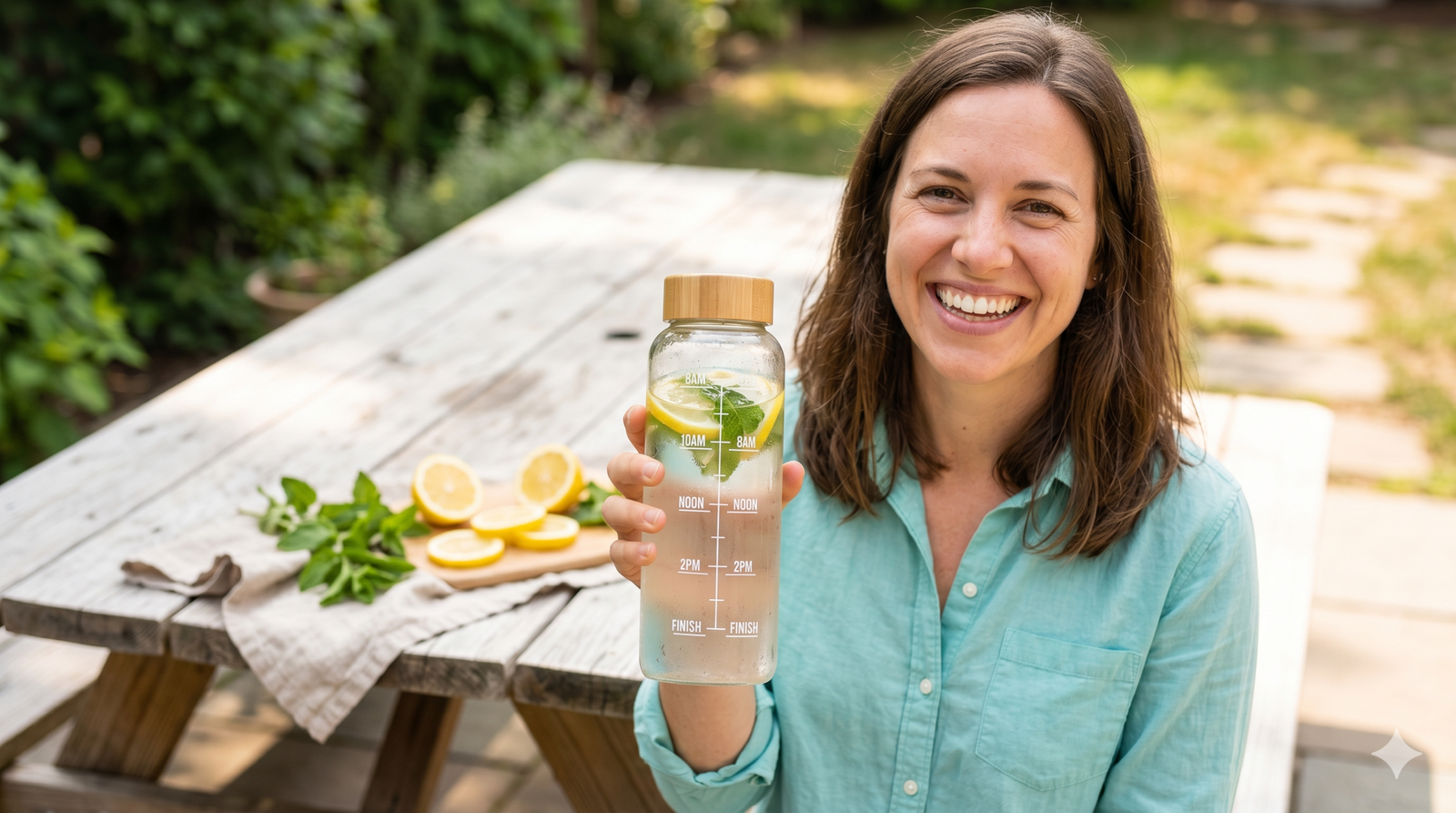
Alternatively, if you prefer low-tech solutions, you can simply purchase a time-marked motivational water bottle. These bottles feature encouraging phrases and time indicators along the side, gently reminding you where your water level should be by 10:00 AM, 1:00 PM, and 4:00 PM.
FAQs About Daily Hydration
1. Why is a hydration tips daily water intake guide important?
A good hydration tips daily water intake guide helps you avoid dehydration, maintain energy levels, and support overall body function.
2. Can I drink too much water?
Yes, you can. As mentioned earlier, drinking excessive amounts of water too quickly can lead to hyponatremia, which causes your cells to swell. Listen to your body and stick to a steady, balanced pace throughout the day instead of binge-drinking fluids.
3. Do hydration packets and electrolyte powders really work?
Yes, they do, but they are not always necessary for everyday life. Electrolyte powders are incredibly helpful if you are sweating heavily from a workout lasting over an hour, working outside in extreme heat, or recovering from a bout of food poisoning. For average daily office environments, plain water or infused water is perfectly sufficient.
4. Does drinking water help with weight loss?
Drinking water can support weight loss efforts in a few distinct ways. It naturally boosts your metabolism slightly, helps your body efficiently flush out waste products, and can increase feelings of fullness when consumed before meals. Oftentimes, our bodies confuse mild dehydration signals with hunger pangs, so drinking a glass of water first can prevent unnecessary overeating.
5. How long does it take to rehydrate your body?
If you are suffering from mild dehydration, drinking a few glasses of water will usually have you feeling significantly better within 30 to 45 minutes. However, if your body is severely dehydrated, it can take anywhere from 24 hours to a couple of days of consistent fluid and electrolyte replacement to fully restore optimal systemic balance.
According to Mayo Clinic hydration recommendations, staying hydrated helps regulate body temperature and supports overall health.
The Harvard guide on daily water intake explains that hydration needs vary depending on age, activity level, and climate.
Conclusion: Take the First Sip
Mastering your daily hydration goals does not require a massive lifestyle overhaul. By understanding your unique personal needs and implementing a few simple tweaks—like keeping a reliable water bottle at your side and eating water-dense snacks—you can easily maintain peak mental clarity and physical energy.We hope this hydration tips daily water intake guide makes it easier for you to stay healthy, active, and properly hydrated every day.
Now, I want to hear from you! What is your biggest challenge when it comes to drinking enough water during a busy workday? Do you prefer plain water or do you love fruit infusions? Leave a comment below and share your favorite hydration tips with our community!